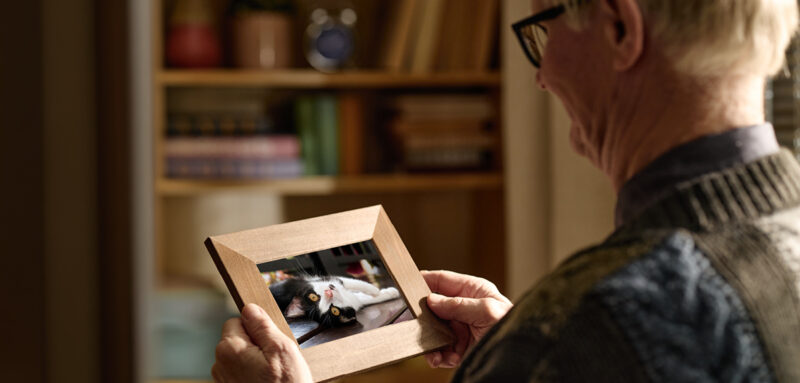

You’ve probably specified in your will what will happen to your home, your belongings or your treasured possessions. But what about your dog or cat? Who will care for your pets if you pass away? It’s best to think about this ahead of time. A few precautions can spare your loved ones a great deal of uncertainty and ensure your pet is entrusted to the person you’ve chosen.
Can you include your pet in your will?
If you have a will, you can specify what will happen to your pet and name the person you would like to entrust them to. If possible, you can also set aside money to help that person care for your companion or pay for pet health insurance. This is known as a “legacy with a charge,” a bequest that comes with an obligation. Your pet, however, cannot inherit. In Quebec, you cannot leave property directly to a furry or feathered companion.
What happens if you pass away without a will?
Without a will, your pet will form part of your estate. Your legal heirs will then be responsible for settling the estate, unless they appoint someone else as liquidator. Who will take care of your companion will therefore need to be determined as part of the estate settlement process. And that process can take time.
Who can make decisions for your pet?
There’s another aspect we tend to think about less often: having the animal in your care does not necessarily mean you have the legal authority to make every decision concerning them.
After an owner’s death, the veterinarian will need to confirm who has the legal authority to act on the animal’s behalf. Documents may be required to show that you are now the animal’s guardian or that you represent the estate, particularly before you can access certain information in the animal’s medical record or make important decisions about their care.
Plan ahead for who will care for your dog or cat
If you want your cat or dog to live with your sister, your son or your best friend, don’t simply tell them, “If anything happens to me, you’ll take care of my pet.”
Discuss it with that person. Make sure they agree, then put your wishes in writing in legal documents.
Because when the time comes for someone to care for your faithful companion, it’s best for everything to be clear—for your family, your veterinary team and, above all, your pet.