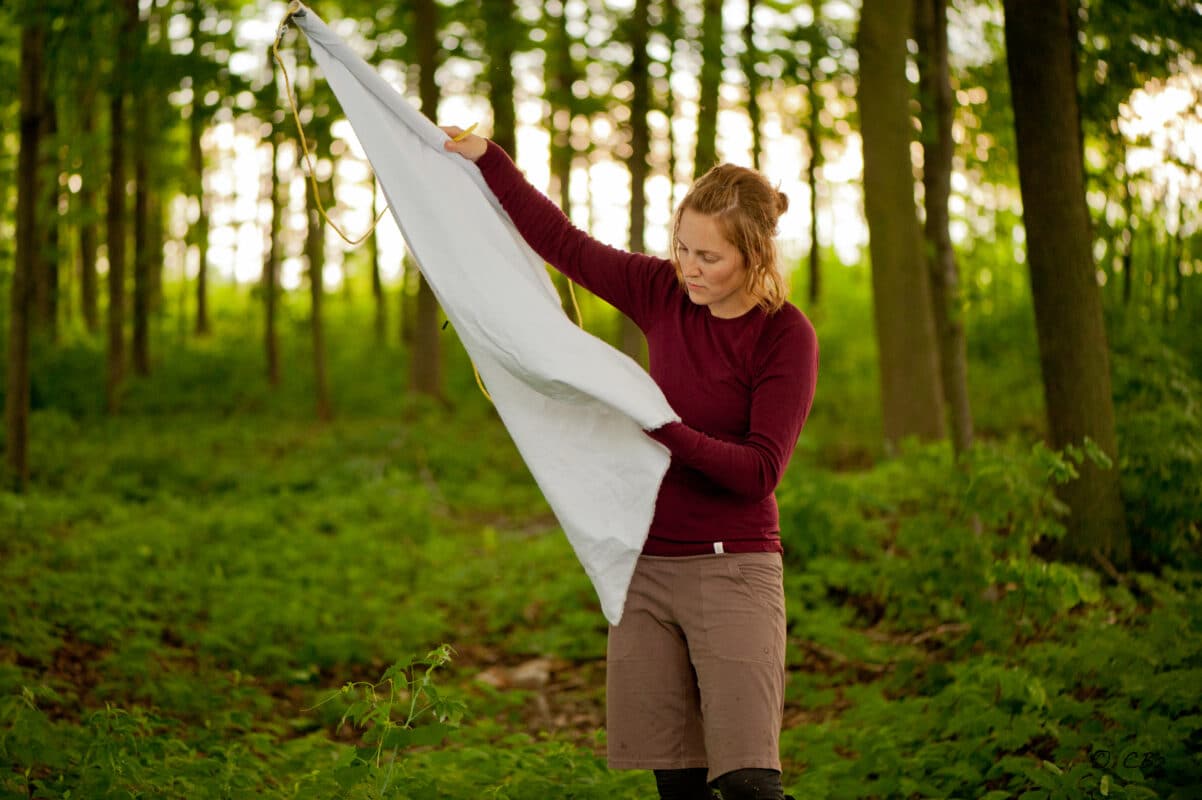

They have a remarkable career path, practice their profession with passion, and each in their own way pay tribute to the human-animal bond. Each month, discover the portrait of a particularly inspiring individual. Meet Dr. Catherine Bouchard, a veterinary epidemiologist at the Public Health Agency of Canada.
Catherine, how did you choose to pursue veterinary medicine?
As far back as I can remember, I’ve always loved animals. I grew up in the countryside, in the small village of Lac-Etchemin in the Chaudière-Appalaches region. My parents owned a fish farm. We had several dogs, and I loved observing animals in the forest. The recent passing of Jane Goodall made me realize just how much of an inspiration she had been to me. This British primatologist and anthropologist, who dedicated her life to studying chimpanzees, sparked two major dreams in me: becoming a veterinarian and going to Africa.
Why was she so inspiring to you as a child?
I found her research fascinating. In fact, when I started veterinary school, I wanted to work with wildlife. After completing several internships related to wildlife, I found myself with two options: practicing exotic/zoo medicine at the Ecomuseum Zoo, or pursuing a master’s degree on ticks.
And you chose ticks?
Yes! (laughs) Two years earlier, I had done an internship in Africa, in Kenya and Tanzania! With two fellow students, we noticed that the most heavily parasitized cows were often blind. Local veterinarians explained that their blindness was caused by a blood parasite transmitted by ticks. The economic consequences were major for local residents, whose subsistence herds were severely affected. That’s when I realized the impact that the work of a veterinary epidemiologist can have on both animal and human health.
Now that you work as a veterinary epidemiologist at the Public Health Agency of Canada, do you still go into the field to collect ticks?
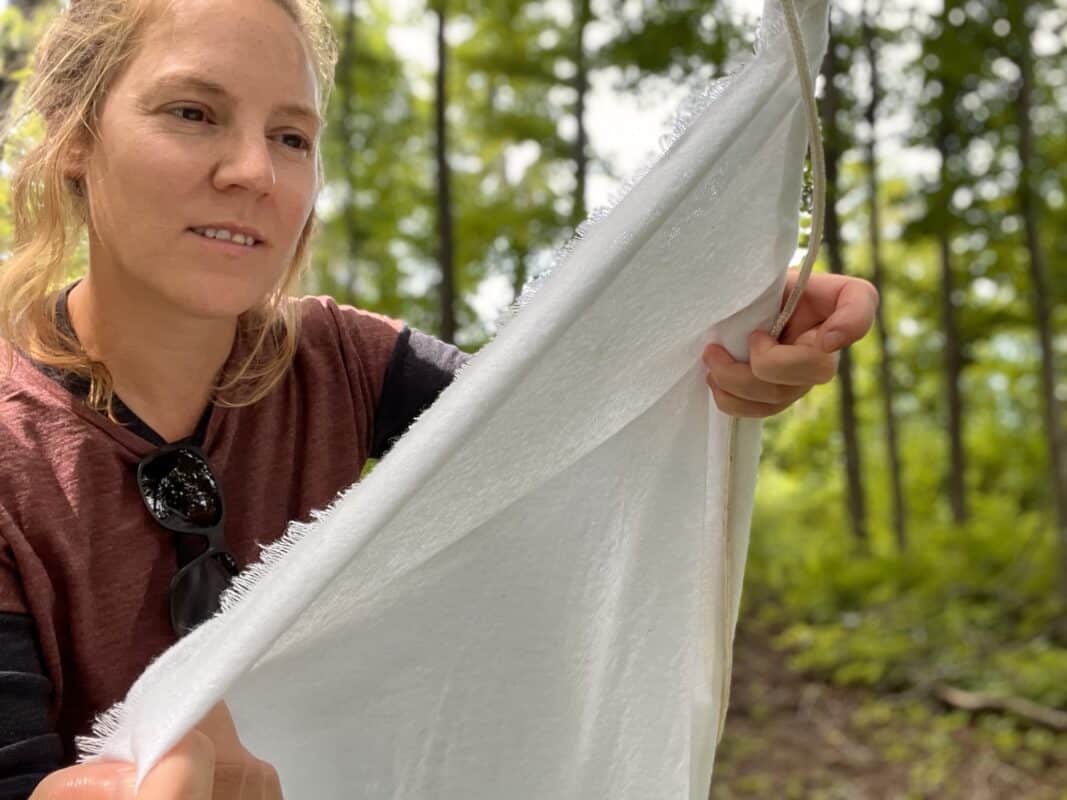
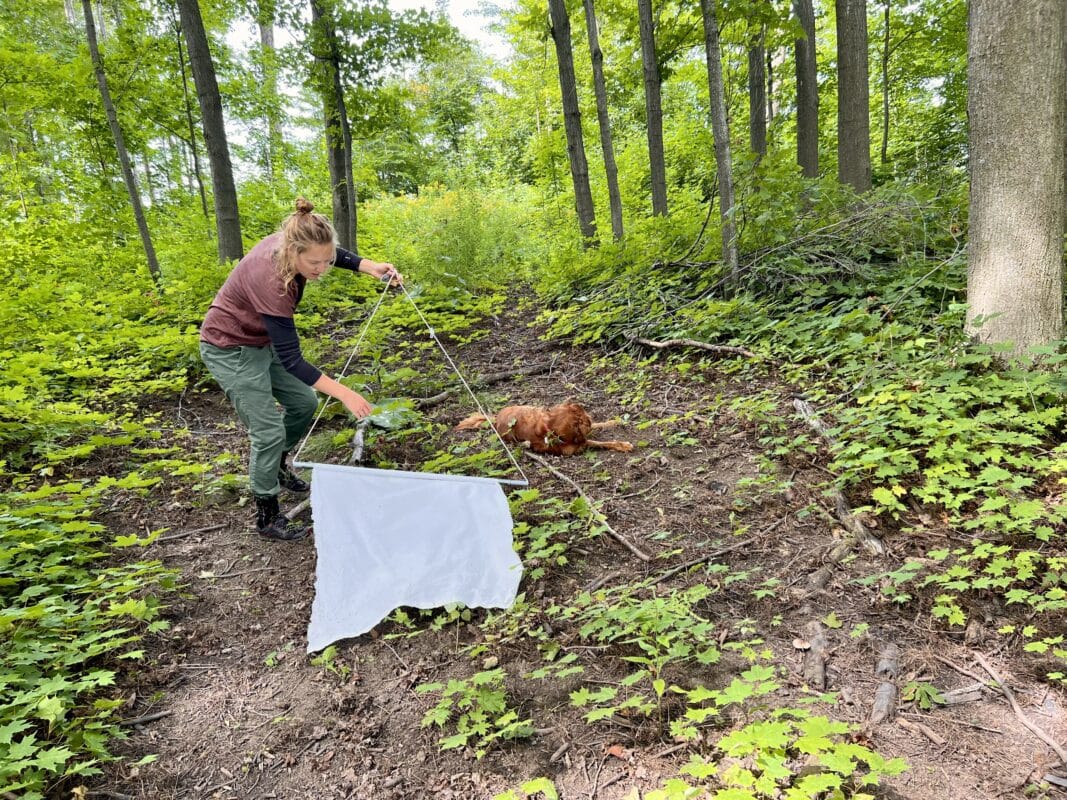
Of course! I’m an adjunct professor at the Faculty of Veterinary Medicine at the Université de Montréal, and I sometimes accompany master’s or doctoral students in the field. However, I now devote a larger portion of my time to designing and managing research projects, in collaboration with Canadian university professors, other researchers, and various government organizations.
When you talk about your work as an epidemiologist studying ticks, how do people react?
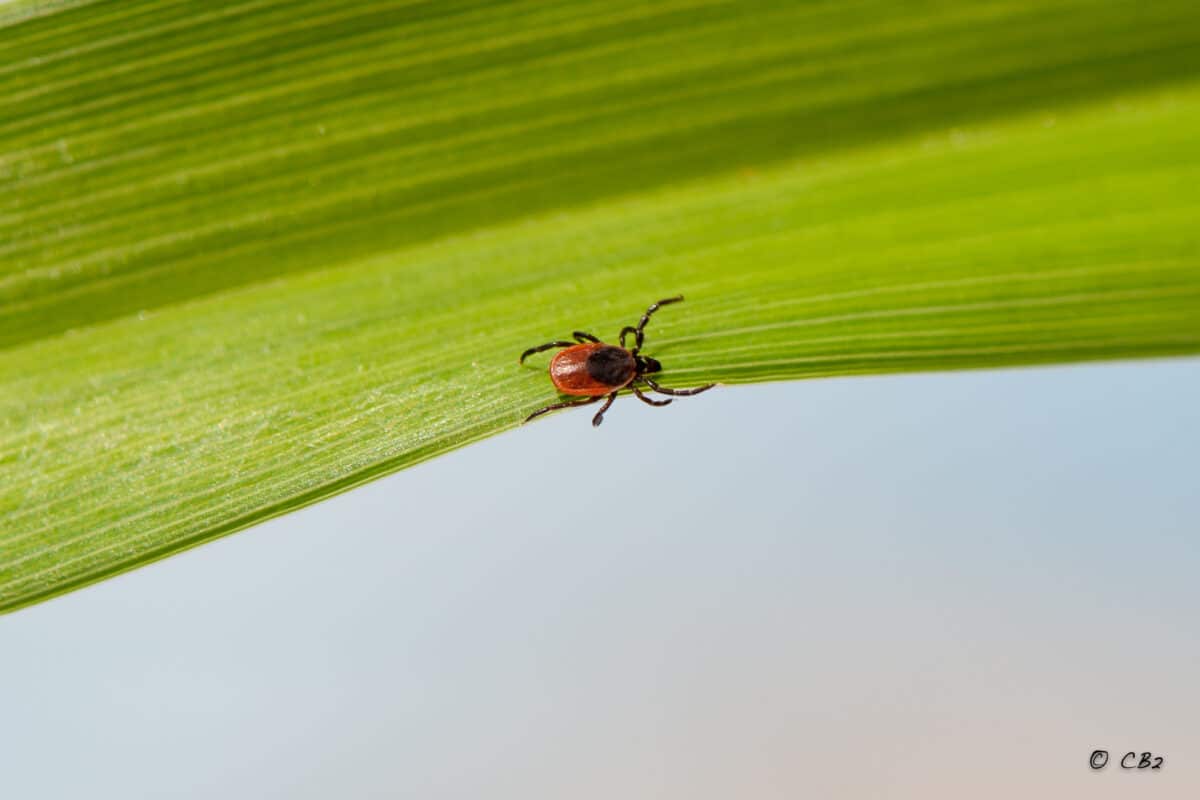
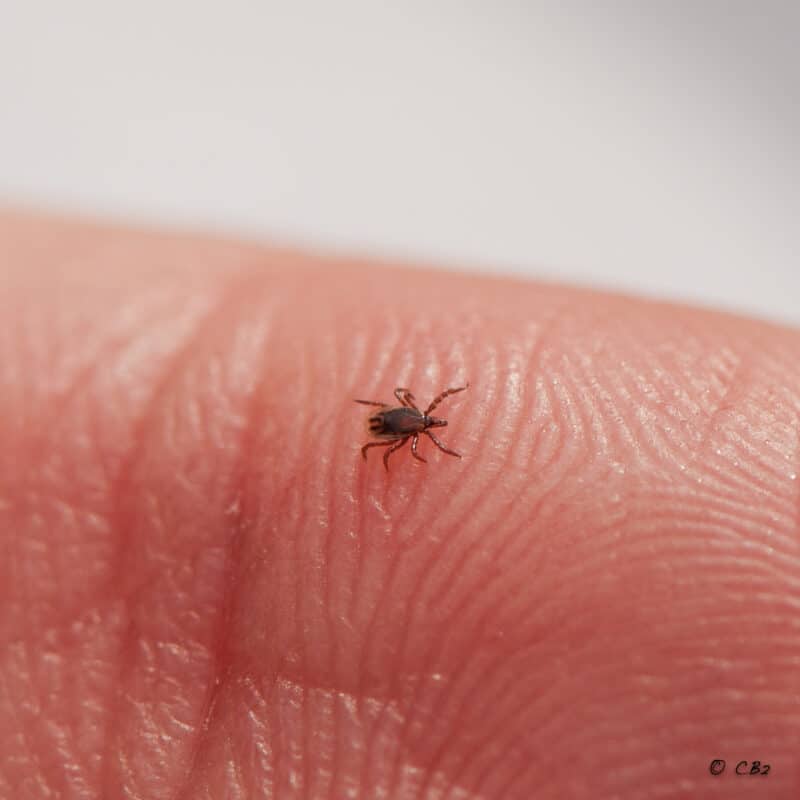
It depends! (laughs) Some are fascinated and ask me tons of questions, while others struggle to hide their disgust. In short, ticks leave no one indifferent! And that’s a good thing, because they are a real public health issue. Ticks can transmit bacteria, viruses, or other pathogens to humans through a bite. The most well-known of these diseases is Lyme disease, caused by the bacterium Borrelia.
Is there a link with climate change?
Yes, absolutely. When I began studying ticks during my doctoral studies in 2008, I worked in the field from June to October. Today, tick season lasts longer in many regions. With more time for exposure, their life cycle also lengthens, increasing increasing the risk of infection in the population.
Are there any misconceptions about ticks that need to be debunked?
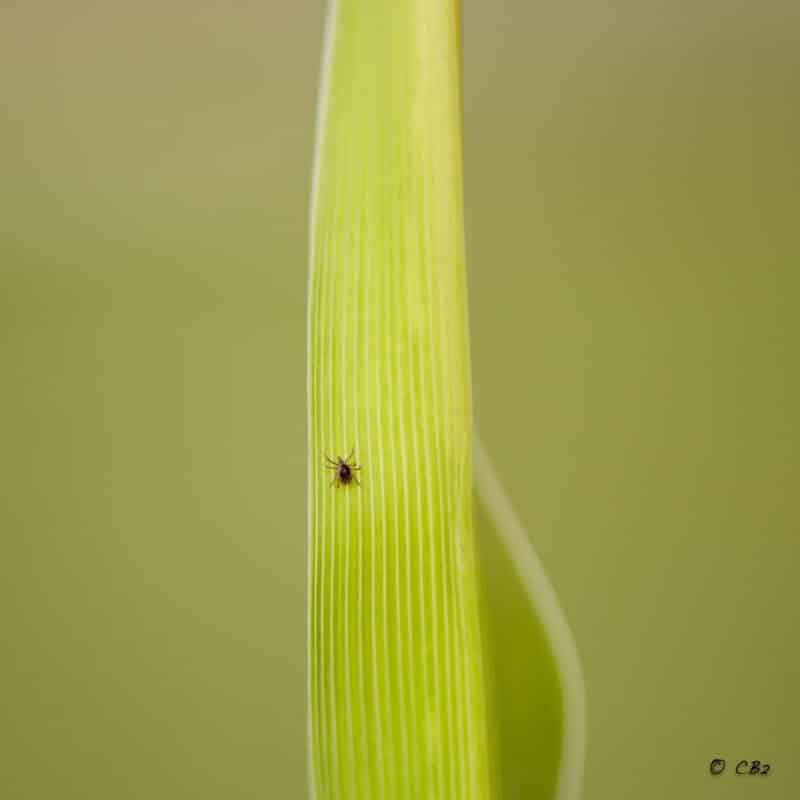
Yes! Many people believe that ticks fall from trees, jump, or even fly, but that’s not true. They actually stay on low vegetation, where they benefit from the moisture of the soil, until an animal or a human brushes by, so they can latch onto them and later bite them.
Finally, what should we be monitoring from an epidemiological perspective in Quebec?
One of my current projects focuses on monitoring anaplasmosis in Quebec. It’s a bacterial infection transmitted mainly by the blacklegged tick. For now, human cases have been reported mostly in the Eastern Townships—the region that also has the highest number of Lyme disease cases. We have therefore developed master’s-level research projects to identify which natural reservoirs explain the regional emergence of this bacterial infection.
Psst…
Catherine Bouchard is a veterinary epidemiologist (scientific researcher) at the Public Health Agency of Canada. She manages the Ticks and Tick-borne diseases unit within the Public Health Risk Sciences division and she is a professor adjunct at Université de Montréal.