
A small treat… but a lot of information
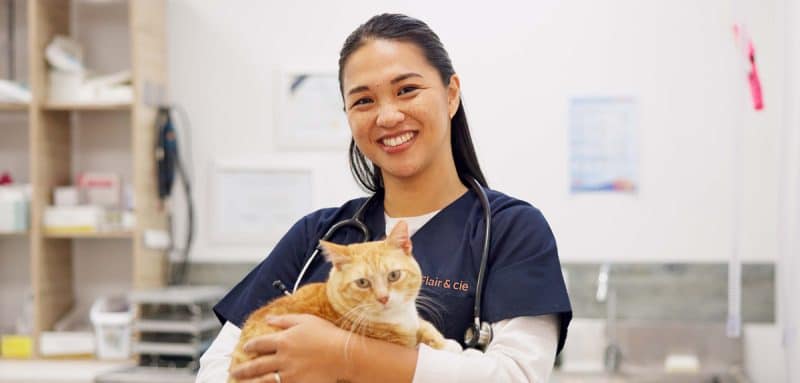
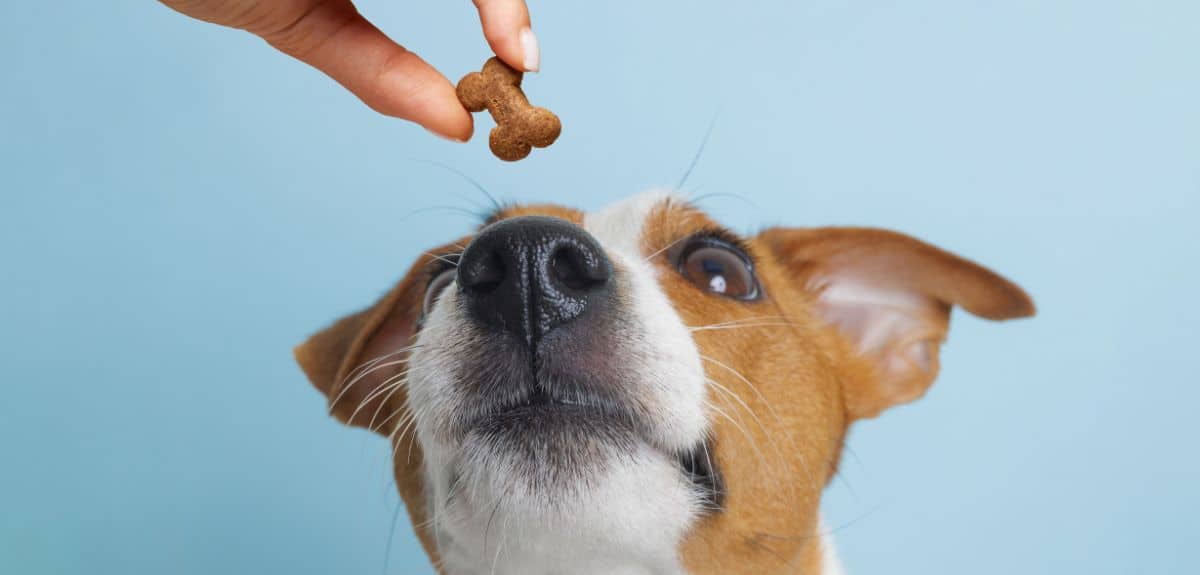
I often ask owners if I can offer their dog or cat a treat during an appointment. Do you know why?
First, it allows me to confirm that your furry companion does not have any allergies, food intolerances or gastrointestinal issues.
For many animals, the veterinary clinic is also a stressful place. One or more small treats can help reduce that stress and turn the visit into a more positive experience. This small gesture can also help start a conversation with the family member accompanying the animal.
And while the animal is eating… I observe.
Prehension: how an animal picks up food
Offering a treat may seem insignificant, but it gives us veterinarians several important pieces of information. We observe how the animal picks up the food, chews it and swallows it. In veterinary medicine, this is called prehension.
This term simply refers to an animal’s ability to pick up food with its mouth. Some dogs and cats eagerly grab the treat. Others hesitate, take it gently or drop it. Sometimes, the food falls out of the animal’s mouth, or the animal seems interested but is unable to grasp it properly.
These small details can tell us a great deal and are part of the physical examination.
Anorexia or pseudo-anorexia in dogs and cats
When a dog or cat stops eating at home, many owners tell us that their pet is anorexic. However, in veterinary medicine, we make an important distinction between anorexia and pseudo-anorexia.
With anorexia, the animal has truly lost their appetite. They no longer want to eat, even when offered something especially appealing.
With pseudo-anorexia, the situation is different. The animal still has an appetite but cannot eat properly. They may want to eat and approach their food but have difficulty picking it up, chewing it or swallowing it.
Possible causes of difficulty eating
Several conditions can explain these difficulties:
- dental pain;
- inflammation in the mouth;
- a lodged foreign object;
- a fractured jaw;
- an abscess behind the eye;
- a neurological problem affecting the tongue or jaw muscles.
A physical examination will help establish a diagnosis. If necessary, further testing can help identify the cause of the eating difficulties.
Let your veterinarian give your dog or cat a treat
You now know why your veterinarian often asks permission to offer your furry companion a treat during an appointment.
Unless you have a good reason to decline—such as a known allergy or digestive issue—it is best to let your veterinarian treat your companion.
This small gesture can make the visit more pleasant for your pet while also helping us better understand what may be going on.