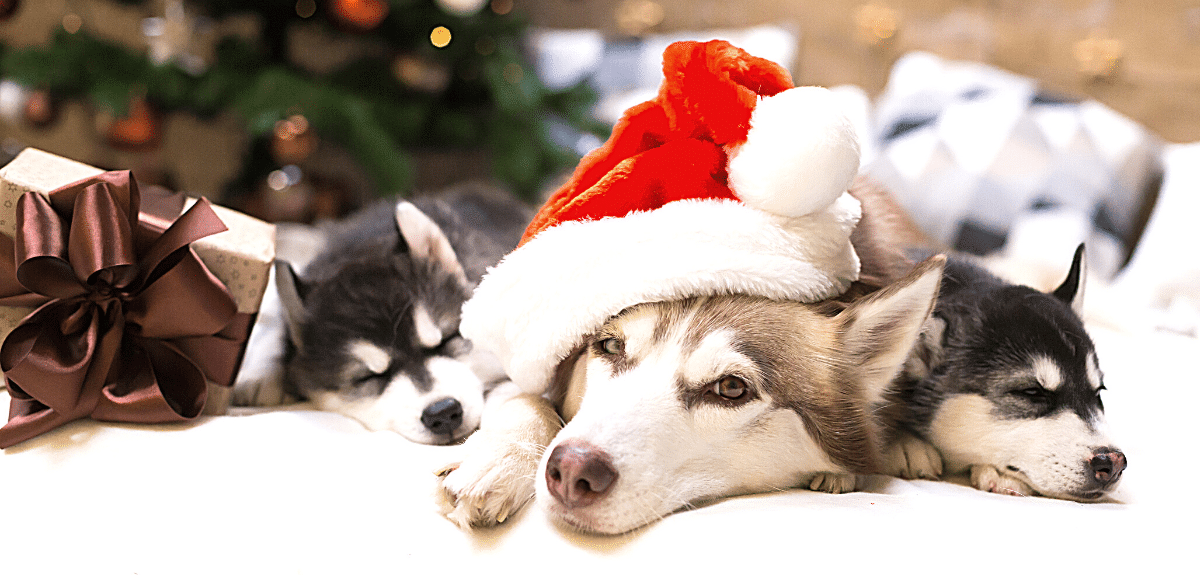
To make sure Christmas is just as magical as planned, here are a few tips to help you avoid an emergency visit to your veterinarian.
First, the question of pets as gifts
With the best intentions, you might consider giving a pet as a Christmas gift. Keep in mind that welcoming an animal requires time, attention, and money to meet their basic needs. These are resources that are often in short supply during the hectic holiday season. Adopting a pet of any kind should always be a carefully considered decision. As The Little Prince reminds us, we become forever responsible for what we have tamed. A dog or a cat is a heartfelt commitment that lasts around 15 years.
Instead, consider offering a gift box filled with toys and accessories the animal will need, along with a gift certificate to a shelter. The surprise and joy will be just as great, and the animal can be welcomed after the holidays under more favourable conditions for both them and their new family.
The holidays mean less supervision
Hosting during the holidays? Maximize your chances of avoiding unfortunate incidents involving Fluffy and Fido. Is your pet not a fan of children? Could your indoor cat seize the opportunity to slip outside unnoticed? It is often best to set them up comfortably in a quiet room for a few hours so you can host with peace of mind.
Decorations and things to watch out for
Sadly, around the holidays, veterinarians often have to operate on pets who have swallowed foreign objects. Shiny tinsel, delicious-looking ribbon, enticing moss from the village under the tree. Be especially vigilant with the following:
- Gourmet gifts placed under the tree are easily detected by curious noses.
- Some plants are toxic, and it’s best to avoid keeping them around when living with dogs or cats. Mistletoe can be fatal if ingested in large quantities. In smaller amounts, it can cause severe abdominal pain, vomiting, diarrhea, and excessive salivation. Poinsettias should also be avoided. An animal would need to eat a large amount for it to be fatal, but the leaves and sap can cause oral irritation, nausea, and vomiting. Holly can upset your pet’s stomach, and the severity of the gastrointestinal issues increases with the amount ingested. Lilies, as beautiful as they are, should never be part of a pet-friendly bouquet, as they can cause kidney failure in cats that ingest them.
Have fun and include your pets! It’s so nice to have them with us during this season, which should still be a bit relaxing. Just stay vigilant. We’re not trying to turn you into a Christmas Grinch.
Happy Holidays!
She signs this text
A veterinarian since 2000, Dr. Lucie Hénault is the president of Flair & cie, a group of ten veterinary establishments run by field associates—ten veterinarians and one animal health technician who work with animals and their owners on a daily basis.An author, popularizer, and passionate columnist, Dr. Lucie Hénault is also the founder of Flair & cie web magazine, a reference for credible, expert, and rigorously verified content designed to inspire and empower animal lovers.