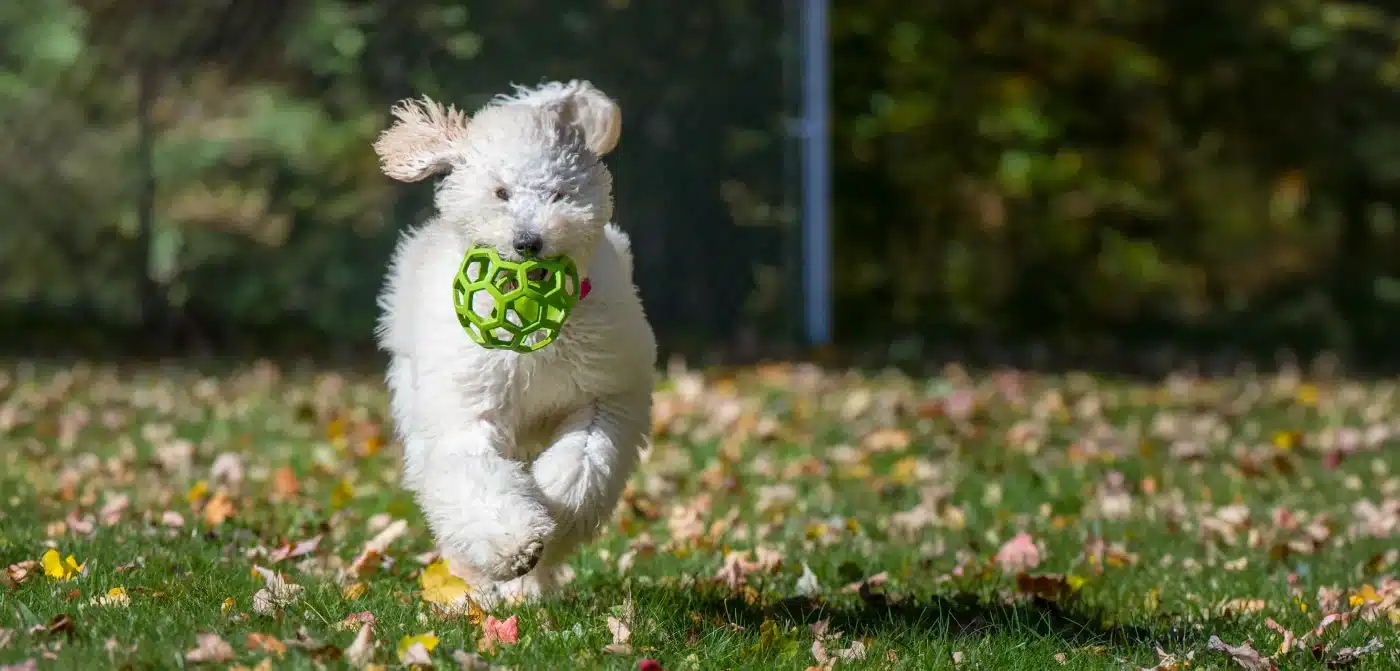

Goldendoodles, labradoodles, aussiedoodles, cavapoos, maltipoos and the list goes on… poodle crossbreeds are popular!
Behind these playful names are dogs whose traits—and certain predispositions—come from both parent breeds. A “doodle” may therefore be at risk of health conditions associated with both the poodle and the other breed in the mix.
Here’s what you need to know to better care for your companion.
What joint problems can affect “doodles”?
Large “doodles” can have the same genetic joint abnormalities as most large-breed dogs. Among the most common are hip dysplasia and elbow dysplasia. Small dogs, such as some miniature poodle crosses with shih tzus or Maltese dogs, are at greater risk of patellar luxation, or a dislocated kneecap.
These conditions can cause limping and contribute to the development of osteoarthritis over time. An unusual gait, reluctance to run or jump, or limping therefore deserve your attention.
Are “doodles” prone to digestive problems?
Standard poodles are predisposed to gastric torsion, a twisting of the stomach that can be fatal if not treated within hours of symptoms appearing. Addison’s disease, a serious hormonal disorder often associated with digestive symptoms and weakness, is another condition to watch for. These predispositions can be passed on to large poodle crossbreeds and should be considered when digestive problems arise.
Are allergies common in “doodles”?
“Doodles” of all sizes frequently suffer from environmental or food allergies. Several signs may appear:
- Recurring ear infections
- Itching
- Persistent paw licking
- Digestive symptoms, such as vomiting or loose stool
The large amount of hair in their ears can also complicate matters. Pay attention if your dog scratches, frequently shakes their head or licks excessively.
Are some “doodles” at greater risk of cancer?
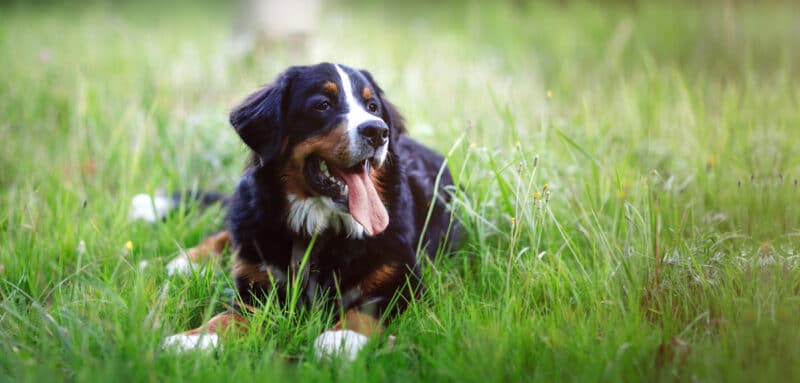
Tumours and cancers can also affect “doodle” dogs, particularly bernedoodles, a cross between a standard poodle and a Bernese mountain dog. Bernese mountain dogs have an increased risk of developing various types of cancer, which bernedoodles may also inherit. If you notice an unusual lump or a decline in your dog’s overall health, it’s best to speak with your veterinarian.
Why should you keep an eye on your “doodle’s” eyes?
The beautiful curly coat of poodle crossbreeds generally requires a lot of maintenance, particularly around the eyes. Hair must be kept clear particularly around the eyes, where the hair needs to be trimmed to prevent rubbing and irritation. Without proper grooming, this hair can cause conjunctivitis or even inflammation of the cornea. Some “doodles” also have eyelid abnormalities that can make the problem worse. Your groomer can show you how to care for this area, or you can learn to do it yourself at home.
Every “doodle” is different
Goldendoodle, labradoodle, bernedoodle, cavapoo… each crossbreed has its own unique traits and may inherit certain predispositions from its parent breeds. Your veterinarian remains your best resource for understanding your companion’s predispositions and adapting their care to their needs throughout their life.